The Hidden Symptoms, Silent Dangers, and Early Warning Signs That Could Save Your Life
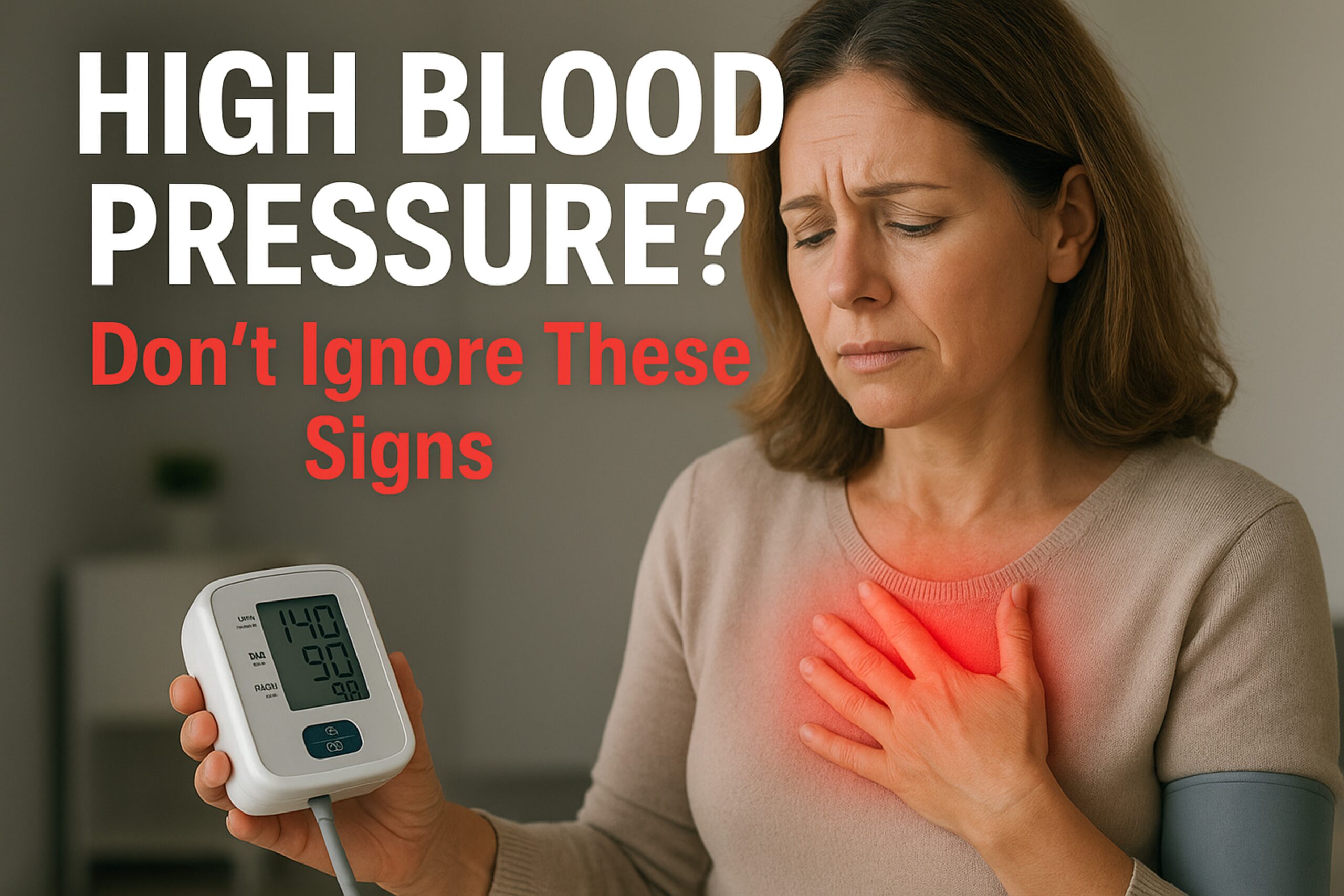
High blood pressure—also known as hypertension—is one of the most dangerous health conditions in the world. It’s responsible for heart attacks, strokes, kidney failure, vision problems, sexual dysfunction, and a long list of life-threatening complications. Yet it’s also known as the “silent killer” because most people never know they have it.
The truth is simple: high blood pressure rarely announces itself with loud symptoms. It builds quietly, slowly damaging your arteries, heart, kidneys, and brain until a major medical emergency happens.
But here’s the good news: your body does give early signs. Subtle symptoms that many people brush off—headaches, fatigue, dizziness, shortness of breath, and more—are often signals that your blood pressure is dangerously high.
This guide breaks down the 12 signs of high blood pressure you should never ignore, why they happen, and how they relate to your long-term health.
Disclaimer: This article provides general information and is not a substitute for professional medical care. If you experience these symptoms, seek medical evaluation immediately.
1. Persistent Headaches—Especially Morning Headaches
A classic early sign of high blood pressure is headaches that occur in the morning, particularly at the back of the head.
High blood pressure increases pressure inside the tiny blood vessels in the brain. This increased pressure can trigger:
- Throbbing headaches
- Pressure-like headaches
- Pain behind the eyes
- Pain that worsens with movement
These headaches are often ignored or blamed on stress, dehydration, or poor sleep. But recurring morning headaches can be your body’s way of signaling that your blood pressure is rising.
Why This Sign Matters
Hypertension-related headaches mean your blood vessels—especially in the brain—are under stress. This can increase your risk of stroke if left unaddressed.
2. Dizziness or Feeling Lightheaded
High blood pressure can affect the flow of blood to your brain, leading to dizziness or a feeling of imbalance.
You may notice:
- Sudden lightheadedness
- Feeling faint
- Difficulty standing up
- A floating or spinning sensation
Most people blame dizziness on hunger, heat, or fatigue, but when it persists, it’s often cardiovascular in nature.
Why This Sign Matters
Persistent dizziness is a major warning sign that your brain isn’t receiving stable blood flow. This can indicate dangerously high pressure that may lead to fainting or stroke
3. Shortness of Breath (Even at Rest)
High blood pressure forces the heart to work harder. Over time, this reduces the heart’s ability to pump blood efficiently, causing fluid buildup in the lungs.
This leads to:
- Breathlessness during normal activities
- Difficulty breathing when lying flat
- Feeling like you can’t catch your breath
Many people confuse this symptom with asthma or being out of shape, but hypertension is frequently the cause.
Why This Sign Matters
Shortness of breath is one of the most serious symptoms of uncontrolled high blood pressure. It often signals heart strain or early heart failure.
4. Chest Pain or Chest Pressure
High blood pressure damages the arteries that supply the heart. Over time, this reduces blood flow and causes chest discomfort.
You may feel:
- Chest tightness
- Burning sensations
- Pressure or heaviness
- Pain that spreads to the shoulder or neck
This can happen during physical activity or even at rest.
Why This Sign Matters
Chest pain is a medical emergency. It may indicate a heart attack, angina, or severely elevated blood pressure reaching dangerous levels.
5. Vision Problems (Blurry Vision or Seeing Spots)
Your eyes contain extremely delicate blood vessels. High blood pressure can damage these vessels, leading to:
- Blurred vision
- Double vision
- Seeing spots or floaters
- Sudden loss of vision in one eye
These issues occur when pressure damages the retina—a condition known as hypertensive retinopathy.
Why This Sign Matters
Vision changes may be one of the first outward signs of dangerous hypertension. Severe cases can lead to permanent vision loss.
6. Nosebleeds That Happen Frequently
Although not the most common symptom, recurring nosebleeds can happen when blood pressure is extremely high.
Why?
The delicate blood vessels in the nose burst under intense pressure.
Why This Sign Matters
Nosebleeds don’t always mean high blood pressure, but frequent or sudden nosebleeds—combined with other symptoms—are a red flag.
7. Fatigue and Extreme Tiredness
When your blood pressure is high, your heart works overtime to pump blood through narrowed or stressed arteries. This extra effort makes your body feel:
- Sluggish
- Weak
- Constantly tired
- Mentally drained
Poor circulation caused by hypertension can also reduce oxygen supply to muscles and organs, resulting in chronic fatigue.
Why This Sign Matters
If you’re tired all the time—despite sleeping enough—your cardiovascular system may be struggling.
8. Irregular Heartbeat (Heart Palpitations)
High blood pressure can strain the heart and interfere with its electrical signaling. This may cause:
- Fluttering sensations
- Heart pounding
- Skipped beats
- Fast heartbeat
These symptoms can occur during stress, after eating salty foods, or while resting.
Why This Sign Matters
Palpitations may indicate that your heart is under pressure or developing abnormalities such as arrhythmia.
9. Swelling in the Legs, Ankles, or Feet
When high blood pressure weakens the heart, it becomes harder to pump blood effectively. As a result, fluid starts to accumulate in the lower body.
This swelling—called edema—often shows up as:
- Puffy feet
- Tight ankles
- Swollen legs
- Imprints on the skin after removing socks
Why This Sign Matters
Edema can be an early sign of heart strain, kidney issues, or congestive heart failure caused by long-term hypertension.
10. Trouble Sleeping (Including Sleep Apnea)
High blood pressure can disrupt sleep in multiple ways.
A) Difficulty Staying Asleep
When blood pressure is unstable, the nervous system becomes more active, interrupting normal sleep cycles.
B) Sleep Apnea
People with hypertension have a significantly higher risk of sleep apnea—a condition where you stop breathing temporarily during sleep.
Signs include:
- Loud snoring
- Waking up gasping
- Dry mouth in the morning
- Excessive daytime sleepiness
Why This Sign Matters
Poor sleep and high blood pressure feed into each other. If you’re waking up tired or having breathing interruptions, your blood pressure may be dangerously elevated.
11. Facial Flushing or Sudden Redness
High blood pressure can cause sudden flushing and warmth in the face, neck, or chest. This happens when blood vessels widen rapidly.
Triggers include:
- Stress
- Anxiety
- Hot drinks
- Alcohol
- Warm weather
Flushing alone doesn’t confirm hypertension, but when combined with other symptoms, it’s a warning sign.
Why This Sign Matters
Facial flushing indicates that your cardiovascular system is under sudden pressure.
12. Pounding Sensation in the Neck, Chest, or Ears
Many people with high blood pressure report feeling:
- A heartbeat in their ears (pulsatile tinnitus)
- Pulsing in the neck
- A pounding sensation in the chest
This happens because high blood pressure increases force against the artery walls, making blood flow more forceful and noticeable.
Why This Sign Matters
This symptom often appears when blood pressure spikes dangerously high and requires immediate medical attention.
Why High Blood Pressure Is So Dangerous
Hypertension doesn’t just raise numbers. It physically damages your body from the inside. Over time, it can lead to:
1. Heart Attack
Arteries become blocked or weakened.
2. Stroke
Damaged vessels in the brain rupture or clog.
3. Kidney Failure
Kidneys can no longer filter blood properly.
4. Aneurysms
Weakened arteries balloon and can burst.
5. Heart Failure
The heart becomes too weak or stiff to pump blood.
6. Vision Loss
Retinal damage leads to blindness.
7. Sexual Dysfunction
Reduced blood flow affects men and women’s sexual health.
The longer hypertension goes untreated, the more deadly it becomes.
Causes and Risk Factors of High Blood Pressure
Understanding what raises your risk helps you prevent it. The major causes include:
1. High-salt diet
Excess sodium increases fluid retention and blood pressure.
2. Obesity
Extra weight strains the heart and arteries.
3. Stress
Chronic stress boosts blood pressure hormones.
4. Lack of exercise
Weak cardiovascular conditioning makes hypertension more likely.
5. Smoking
Damages blood vessels and raises pressure.
6. Excessive alcohol
Raises blood pressure and damages arteries.
7. Genetics
A family history of hypertension increases risk.
8. Kidney disease
Damaged kidneys can no longer regulate pressure.
9. Aging
Arteries naturally stiffen with age.
10. Certain medications
Such as NSAIDs, birth control pills, and steroids.
When to See a Doctor Immediately
Get medical attention if you experience:
- Severe headache
- Sudden vision loss
- Chest pain
- Difficulty breathing
- Confusion
- Weakness or numbness on one side
- Uncontrolled nosebleeds
- A blood pressure reading above 180/120 mmHg
This may indicate a hypertensive crisis, which is a medical emergency.
How to Lower and Control Your Blood Pressure (Practical Tips)
Hypertension can be managed—and often reversed—with consistent lifestyle changes.
1. Reduce salt intake
Aim for less than 1 teaspoon per day.
2. Lose excess weight
Even a small weight drop can lower pressure significantly.
3. Exercise regularly
30 minutes a day, at least 5 days a week.
4. Eat potassium-rich foods
Bananas, spinach, avocados, yogurt.
5. Limit alcohol
No more than 1–2 drinks daily.
6. Avoid smoking completely
It instantly raises blood pressure.
7. Reduce stress
Meditation, deep breathing, and rest help lower pressure naturally.
8. Monitor your blood pressure at home
Regular checks help detect spikes early.
9. Stay hydrated
Dehydration increases blood pressure.
10. Reduce caffeine
Too much coffee can temporarily raise BP.
11. Get enough sleep
Poor sleep contributes to hypertension.
12. Follow medication plans
If prescribed medication, take it consistently.
Final Thoughts
High blood pressure is a silent threat, but it’s not unstoppable. Your body gives clues—subtle signs that something is wrong. Headaches, dizziness, chest pain, swelling, vision problems, and breathing difficulties are not symptoms to ignore.
The sooner you recognize these warning signs, the sooner you can take action that may literally save your life.
Living with high blood pressure doesn’t have to be a death sentence. With awareness, lifestyle changes, and proper medical care, you can protect your heart, your brain, your kidneys, and your future.
GET OUR GUIDE BOOKS BELOW
1. Mastering Seduction: How Men Create Desire Without Chasing or Begging
Stop chasing.
Start being chased.Stop chasing and start being chosen
This is more than a book—it’s your blueprint for becoming the man women are drawn to, remembered, and obsessed with.
🔥 Don’t wait—get your copy now and start transforming your love life today! 👇👇👇
https://nomorewastedman.gumroad.com/l/MasteringSeduction2. Magnetic Texting: How to Spark Attraction Through Every Message
Stop overthinking your texts.
Stop sending paragraphs.
Stop double texting.
Stop chasing women who reply with “lol.”Your problem is not women.
It’s how you text.Every message either builds attraction…
Or kills it.Become the man whose phone buzz makes her smile.
Not the man she replies to when she’s bored.MEN, FIX YOUR GAME. SAVE YOUR OPTIONS.
⚡ Get your copy now and learn how to spark attraction through every message:
👉 https://nomorewastedman.gumroad.com/l/MagneticTexting3. What Women Really Want in a Man: The Alpha Traits Women Respect and Desire
You’re not ignored because you lack looks.
You’re ignored because attraction grows from certainty — not compliance.
Inside this guide you’ll learn:
✅ The alpha mindset without toxic dominance
✅ How to lead without controlling
✅ Why women follow men with purpose
✅ Emotional control that builds respectBecome the man she doesn’t question — she trusts.
👉 Get the book now.
https://nomorewastedman.gumroad.com/l/WhatWomenReallyWant