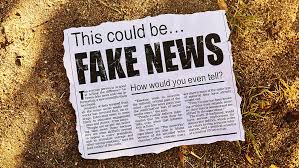
We live in an age where information travels faster than ever before. Unfortunately, so does misinformation. From misleading headlines to entirely fabricated stories, fake news has become a serious problem — not just for politics, but for health, science, and society as a whole.
Being able to identify and avoid false information is no longer optional; it’s a vital skill for every internet user. This guide will walk you through practical steps to spot fake news, verify facts, and become a smarter consumer of media.
1. What Is Fake News?
Fake news is intentionally false or misleading information presented as legitimate news. It can appear on:
- Social media posts
- Blogs
- Video platforms
- Even mainstream-looking websites
Why It Exists
- Profit: Sensational stories generate clicks, which earn ad revenue.
- Politics: Disinformation campaigns can sway public opinion or damage reputations.
- Pranks & Hoaxes: Sometimes fake news is created “for fun,” but it still misleads.
See Also: Beginner’s Guide to Understanding Inflation and How It Affects You
2. Step-by-Step: How to Spot Fake News
Step 1: Check the Source
Ask yourself:
- Is the website reputable?
- Does it have a history of credible reporting?
- Is it a well-known news outlet or an unfamiliar blog?
A quick Google search of the source’s name plus “site review” can reveal whether it has a history of misinformation.
Step 2: Read Beyond the Headline
Clickbait headlines often twist the facts to grab attention.
- Read the full article before forming an opinion.
- Check if the claims in the headline match the actual content.
- Watch out for sensational language like “You Won’t Believe…” or “Shocking Truth About…”
Step 3: Check the Author
- Is the author’s name provided?
- Do they have other credible articles?
- Are they a journalist, expert, or anonymous writer?
If the author is anonymous, it doesn’t automatically mean the story is false — but it should make you more cautious.
Step 4: Look for Supporting Sources
Reliable stories cite:
- Multiple credible sources
- Official statements
- Research reports
If the article makes bold claims without evidence, that’s a red flag. Cross-check with trusted outlets like Reuters, BBC, or Associated Press.
Step 5: Check the Date
Old stories sometimes resurface as if they’re new, causing confusion. Always verify the publication date before sharing.
Step 6: Examine the Tone and Language
Fake news often uses:
- ALL CAPS
- Excessive punctuation (!!!)
- Emotionally charged words
Objective journalism focuses on facts, not inflaming emotions.
Step 7: Reverse Image Search
Images can be powerful — but they can also be taken out of context.
- Use Google Reverse Image Search or TinEye to see where else an image has appeared.
- You might find that “breaking news” photo is actually from years ago or a completely unrelated event.
Step 8: Fact-Check with Trusted Platforms
Websites like:
- Snopes.com
- FactCheck.org
- PolitiFact.com
These services investigate viral claims and debunk false stories.
Step 9: Watch for “Satire” Disguised as News
Some sites, like The Onion or The Babylon Bee, are satire and not meant to be taken literally. However, their stories can be mistaken for real news when shared without context.
Step 10: Think Before You Share
Before hitting “Share” or “Retweet,” ask yourself:
- Do I know this is true?
- Could sharing this harm someone?
- Is it better to verify first?
3. The Psychology Behind Believing Fake News
People often believe fake news when:
- It confirms their existing beliefs (confirmation bias).
- It comes from a friend or family member.
- It triggers strong emotions like anger or fear.
Being aware of these psychological triggers helps you pause before accepting something as true.
4. How Social Media Amplifies Misinformation
Platforms like Facebook, X (Twitter), and TikTok are designed to prioritize engagement — and unfortunately, sensational or controversial posts often get more likes and shares than factual, measured reporting.
The result? Fake news spreads faster than fact-checkers can debunk it.
5. Practical Habits for Everyday Media Literacy
- Follow a diverse mix of credible news outlets.
- Use browser extensions like NewsGuard to flag unreliable sources.
- Take a “fact-checking break” before sharing anything viral.
- Teach friends and family these verification steps.
6. Why Fake News Matters
Fake news can:
- Influence elections
- Spread harmful health misinformation (as seen during COVID-19)
- Damage reputations and businesses
- Create unnecessary panic
In a connected world, misinformation can have real-world consequences within hours.
7. Final Thoughts
Fake news thrives when people share without thinking, believe without questioning, and read without checking. The solution isn’t just about better algorithms or stricter regulations — it’s about building a culture of critical thinking.
The next time you see a headline that seems too shocking to be true, take a moment to verify it. That small step helps protect not only your own understanding but the integrity of public discourse.
Editor’s Note: For related reading, check out The Rise of AI in Newsrooms: How Technology is Changing Journalism.
GET OUR GUIDE BOOKS BELOW
1. Mastering Seduction: How Men Create Desire Without Chasing or Begging
Stop chasing.
Start being chased.Stop chasing and start being chosen
This is more than a book—it’s your blueprint for becoming the man women are drawn to, remembered, and obsessed with.
🔥 Don’t wait—get your copy now and start transforming your love life today! 👇👇👇
https://nomorewastedman.gumroad.com/l/MasteringSeduction2. Magnetic Texting: How to Spark Attraction Through Every Message
Stop overthinking your texts.
Stop sending paragraphs.
Stop double texting.
Stop chasing women who reply with “lol.”Your problem is not women.
It’s how you text.Every message either builds attraction…
Or kills it.Become the man whose phone buzz makes her smile.
Not the man she replies to when she’s bored.MEN, FIX YOUR GAME. SAVE YOUR OPTIONS.
⚡ Get your copy now and learn how to spark attraction through every message:
👉 https://nomorewastedman.gumroad.com/l/MagneticTexting3. What Women Really Want in a Man: The Alpha Traits Women Respect and Desire
You’re not ignored because you lack looks.
You’re ignored because attraction grows from certainty — not compliance.
Inside this guide you’ll learn:
✅ The alpha mindset without toxic dominance
✅ How to lead without controlling
✅ Why women follow men with purpose
✅ Emotional control that builds respectBecome the man she doesn’t question — she trusts.
👉 Get the book now.
https://nomorewastedman.gumroad.com/l/WhatWomenReallyWant