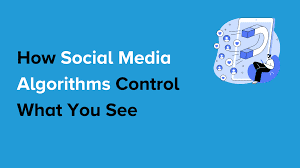
Social media platforms like Facebook, Instagram, TikTok, X (formerly Twitter), and YouTube are our modern public squares. We use them to connect with friends, share ideas, watch videos, and discover news.
But behind the endless scrolling lies something most users never think about — algorithms that decide what you see, when you see it, and how you react to it.
While algorithms can make your feed more relevant, they also have a dark side: shaping opinions, amplifying misinformation, and even affecting mental health.
This article takes a deep dive into how social media algorithms work, why they can be problematic, and what you can do to take control of your online experience.
1. What Are Social Media Algorithms?
Social media algorithms are complex sets of rules and calculations that determine:
- Which posts appear in your feed.
- The order in which they appear.
- How much exposure each piece of content gets.
Instead of showing posts in chronological order, most platforms now use engagement-based ranking systems.
Example:
If you like a lot of cooking videos, the algorithm will prioritize showing you more recipes — but it might also show you controversial cooking “hacks” because they get higher engagement.
2. The Good Side of Algorithms
Before we talk about the dark side, it’s fair to acknowledge their benefits:
- Personalization: You see more of what interests you.
- Content Discovery: Algorithms introduce you to new creators and topics.
- Efficiency: Saves time by filtering out less relevant content.
But personalization comes at a cost — and that cost is control.
3. The Dark Side: How Algorithms Can Harm
a. Echo Chambers and Polarization
Algorithms favor content similar to what you’ve already engaged with. Over time, this creates echo chambers — spaces where you only see viewpoints that match your own.
Impact:
This can deepen political divides and make it harder to understand opposing perspectives.
b. Misinformation Amplification
Content that sparks strong emotional reactions — outrage, fear, or shock — tends to get more clicks, likes, and shares. Algorithms reward this with more visibility, regardless of accuracy.
Example:
During elections or global crises, false information often spreads faster than factual updates.
c. Mental Health Effects
Endless streams of curated, “perfect” lifestyles can harm self-esteem and contribute to anxiety, depression, and doomscrolling.
Research:
Studies link excessive social media use to increased feelings of loneliness and comparison stress, especially among teenagers.
d. Manipulation for Profit
Algorithms are designed to keep you on the platform longer because more time online = more ads shown = more profit. Your attention is the product.
Example:
TikTok’s “For You” page is optimized to keep you watching, sometimes for hours at a time, regardless of whether the content is good for you.
e. Reduced Autonomy
When algorithms curate your reality, they shape your worldview — and you may not even notice it’s happening.
Impact:
Your opinions, purchasing decisions, and even voting patterns can be influenced without your conscious awareness.
4. Real-World Examples of Algorithmic Influence
- Facebook’s 2016 U.S. Election Controversy: Research revealed the platform’s news feed algorithm promoted divisive political content.
- YouTube’s Radicalization Pathway: Critics say the “Up Next” recommendation system can lead users from harmless videos to extremist content in just a few clicks.
- Instagram and Body Image: Whistleblower reports show Instagram’s algorithm pushed harmful body image content to teenage users.
5. Why Platforms Won’t Fix This Easily
Social media companies operate on an attention economy model — the longer you stay engaged, the more ads they sell.
Changing algorithms to prioritize well-being over engagement could hurt profits, making reform difficult without regulation.
6. How You Can Protect Yourself
While you can’t fully control the algorithms, you can take steps to limit their influence:
- Mix Your Sources: Follow a variety of voices, including ones you disagree with.
- Turn Off Recommendations: Where possible, disable “suggested for you” features.
- Use Chronological Feeds: Some platforms allow sorting by newest posts.
- Limit Screen Time: Use built-in digital well-being tools to reduce daily use.
- Fact-Check Before Sharing: Rely on credible sources to verify information.
7. The Role of Regulation
Governments and watchdog groups are starting to push for algorithmic transparency:
- EU Digital Services Act (2024): Requires large platforms to explain how their algorithms work.
- Proposed U.S. Algorithmic Accountability Act: Would force companies to assess and mitigate risks from automated systems.
Challenge:
Balancing transparency with trade secrets and preventing censorship while reducing harm.
8. The Future of Algorithms
Some researchers envision ethical algorithms that balance engagement with social responsibility.
Others are experimenting with user-controlled algorithms, where you can choose the factors that influence your feed.
Example:
A news app could let you set preferences for diverse viewpoints or fact-checked content first.
9. Final Thoughts: Awareness is Power
Algorithms are not inherently evil — they’re tools. The problem is when they’re designed solely to maximize profit, with little regard for truth, fairness, or mental health.
By understanding how these systems work and taking active steps to manage your online experience, you can reclaim some control over what you see — and what shapes your worldview.
Editor’s Note: Pair this article with How to Spot Fake News: A Step-by-Step Media Literacy Guide for a practical approach to identifying misinformation.
GET OUR GUIDE BOOKS BELOW
1. Mastering Seduction: How Men Create Desire Without Chasing or Begging
Stop chasing.
Start being chased.Stop chasing and start being chosen
This is more than a book—it’s your blueprint for becoming the man women are drawn to, remembered, and obsessed with.
🔥 Don’t wait—get your copy now and start transforming your love life today! 👇👇👇
https://nomorewastedman.gumroad.com/l/MasteringSeduction2. Magnetic Texting: How to Spark Attraction Through Every Message
Stop overthinking your texts.
Stop sending paragraphs.
Stop double texting.
Stop chasing women who reply with “lol.”Your problem is not women.
It’s how you text.Every message either builds attraction…
Or kills it.Become the man whose phone buzz makes her smile.
Not the man she replies to when she’s bored.MEN, FIX YOUR GAME. SAVE YOUR OPTIONS.
⚡ Get your copy now and learn how to spark attraction through every message:
👉 https://nomorewastedman.gumroad.com/l/MagneticTexting3. What Women Really Want in a Man: The Alpha Traits Women Respect and Desire
You’re not ignored because you lack looks.
You’re ignored because attraction grows from certainty — not compliance.
Inside this guide you’ll learn:
✅ The alpha mindset without toxic dominance
✅ How to lead without controlling
✅ Why women follow men with purpose
✅ Emotional control that builds respectBecome the man she doesn’t question — she trusts.
👉 Get the book now.
https://nomorewastedman.gumroad.com/l/WhatWomenReallyWant