Europe Faces an Unprecedented Heat Crisis
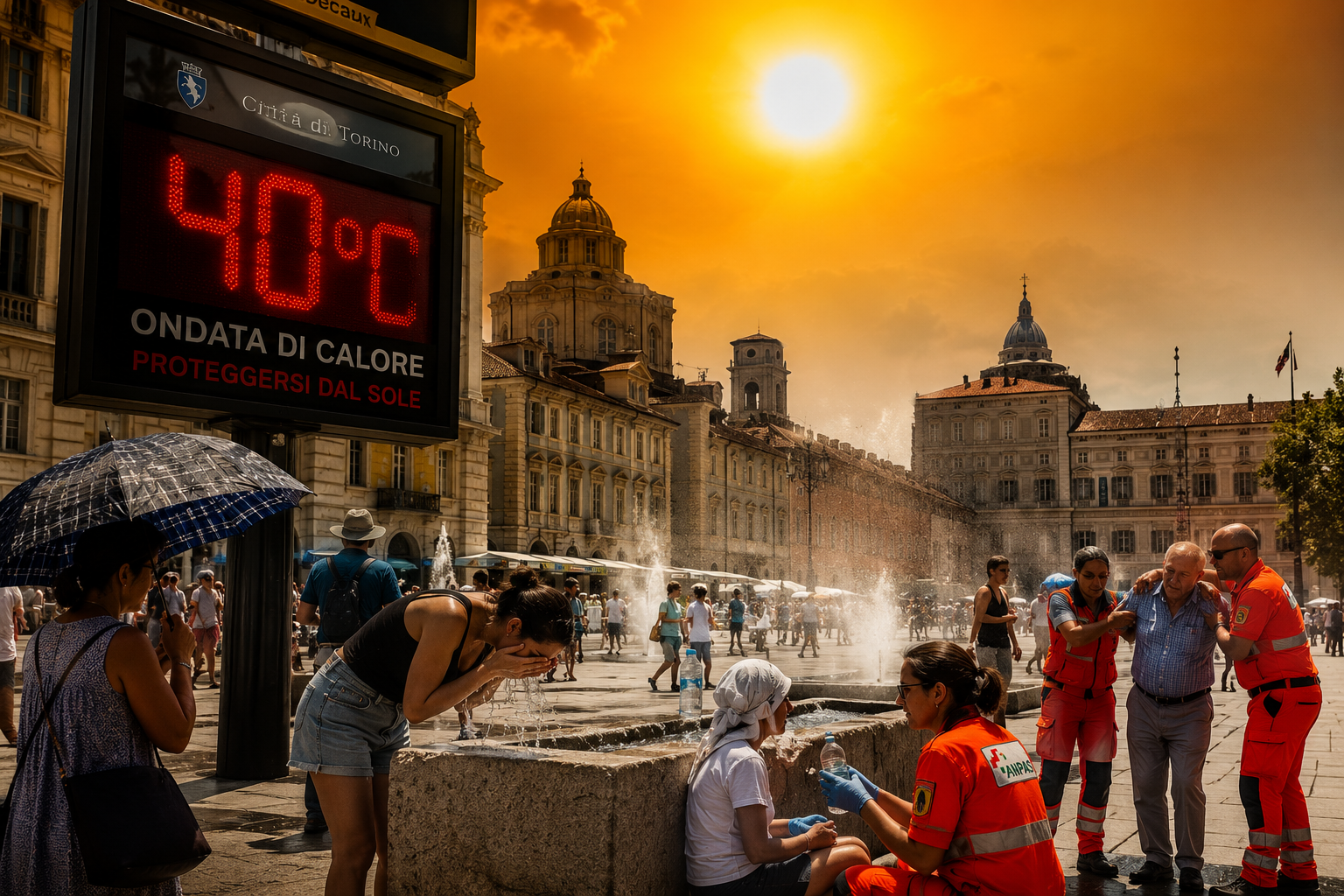
Millions of people across Europe are experiencing one of the most intense heatwaves ever recorded as temperatures continue climbing toward 40°C (104°F). Governments have issued emergency warnings, health officials are urging residents to stay indoors, and transport networks are struggling under the extreme conditions.
The heatwave, which has already affected countries including France, Spain, Italy, Switzerland, and the United Kingdom, is now spreading eastward toward Germany, Poland, Austria, and other parts of Central Europe.
Meteorologists warn that the hottest days may still be ahead.
Countries Hit the Hardest
France has experienced record-breaking temperatures, with hospitals reporting a surge in heat-related illnesses.
Germany is preparing for temperatures above 40°C in several regions, prompting authorities to issue nationwide weather alerts.
Poland is also expected to experience dangerous levels of heat as emergency services prepare for possible wildfires and medical emergencies.
In Britain, June temperature records have been broken, forcing some schools to close and disrupting rail services.
Italy and Spain continue to battle scorching temperatures while local governments have advised people to avoid outdoor activities during the hottest hours of the day.
Transportation Under Pressure
The extreme heat is affecting more than just people.
Railway companies are warning passengers of delays as tracks expand under high temperatures.
Road surfaces have begun deteriorating in some regions, while power grids are facing increased demand due to widespread use of air conditioning.
Several outdoor sporting events have been shortened or postponed because of safety concerns.
Hospitals See Rising Cases
Medical facilities across Europe are treating increasing numbers of patients suffering from dehydration, heat exhaustion, and heatstroke.
Health officials say elderly citizens, young children, and people with chronic illnesses remain the most vulnerable.
Authorities continue urging residents to:
- Stay hydrated.
- Avoid direct sunlight during afternoon hours.
- Wear light clothing.
- Check on elderly relatives and neighbors.
- Never leave children or pets inside parked vehicles.
Scientists Point to Climate Change
Climate researchers say this heatwave would have been extremely unlikely without human-driven climate change.
According to recent scientific analysis, rising global temperatures have made severe heatwaves significantly more frequent and more intense over the past two decades.
Experts warn that Europe is warming faster than many other parts of the world, increasing the likelihood of future extreme weather events.
Economic Impact
The heatwave is also affecting Europe’s economy.
Businesses are experiencing lower productivity as outdoor work becomes dangerous.
Farmers are monitoring crops closely amid concerns that prolonged heat could reduce harvests.
Tourism has also been disrupted as many outdoor attractions modify operating hours or temporarily close during peak temperatures.
Governments Respond
Authorities across Europe have activated emergency response plans that include:
- Opening cooling centers.
- Increasing medical staffing.
- Issuing public health alerts.
- Monitoring wildfire risks.
- Advising employers to protect outdoor workers.
Some cities have also restricted certain outdoor events until temperatures begin to fall.
What Happens Next?
Weather experts expect the heatwave to continue through the weekend before thunderstorms potentially bring temporary relief to some regions.
However, forecasters caution that Europe could experience additional periods of extreme heat later this summer.
Why This Story Matters
This is more than just another hot summer.
The current heatwave is testing Europe’s healthcare systems, transportation infrastructure, and emergency services while highlighting growing concerns about climate resilience.
As temperatures continue rising globally, experts believe events like this may become increasingly common.
Frequently Asked Questions
How hot is Europe right now?
Many areas are approaching or exceeding 40°C (104°F), with several countries recording their hottest June temperatures on record.
Which countries are affected?
France, Germany, Poland, Spain, Italy, Switzerland, the United Kingdom, Austria, Belgium, and several other European nations.
Why is this heatwave so significant?
Scientists describe it as one of Europe’s most severe June heatwaves and say climate change has greatly increased the likelihood and intensity of such extreme events.