Middle East Tensions Rise Again
The fragile ceasefire between the United States and Iran has come under renewed pressure after the U.S. launched military strikes against Iranian targets following a drone attack on a commercial cargo ship in the Strait of Hormuz.
The latest exchange has heightened concerns that the region could slide back into a broader conflict, despite recent diplomatic efforts to reduce tensions.
Military officials say the U.S. operation targeted Iranian missile storage facilities, drone launch sites, and coastal radar systems believed to be linked to the attack on the commercial vessel.
What Triggered the Strikes?
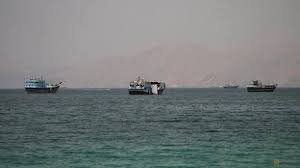
The confrontation began when a Singapore-flagged cargo ship traveling through the Strait of Hormuz was struck by a drone. Although the vessel sustained damage, no casualties were reported.
Washington blamed Iran for the attack, describing it as a violation of the recently agreed ceasefire designed to restore stability to one of the world’s most important shipping routes.
In response, U.S. forces carried out precision strikes on several military installations inside Iran.
Iran, however, accused the United States of escalating the conflict and warned that further military action could provoke additional retaliation.
Why the Strait of Hormuz Matters
The Strait of Hormuz is one of the world’s most strategically important waterways.
Nearly one-fifth of global oil supplies pass through the narrow shipping corridor every day, making it vital to international trade and global energy markets.
Any disruption to shipping through the strait can immediately affect oil prices, fuel costs, and the broader global economy.
Following the latest incident, shipping companies are once again reviewing security measures while insurers continue assessing the risks facing vessels operating in the Gulf.
Global Markets React
Energy markets reacted cautiously to the renewed military tensions.
Oil prices briefly climbed as investors weighed the possibility of future disruptions to crude exports from the Gulf region.
Although shipping traffic continues, analysts say uncertainty remains high as governments monitor developments closely.
Financial markets are also watching whether diplomatic negotiations between Washington and Tehran can survive the latest confrontation.
International Response
Several governments have called for restraint, urging both sides to avoid further military escalation.
International organizations continue emphasizing the importance of protecting commercial shipping and maintaining freedom of navigation through international waters.
Maritime authorities have also increased security monitoring across the region following the attack.
Humanitarian Concerns
Beyond military and economic implications, experts warn that renewed instability could increase humanitarian challenges across the Middle East.
Previous conflicts have displaced thousands of civilians, disrupted trade, and strained regional healthcare and emergency services.
Aid organizations are monitoring the situation in case additional support becomes necessary.
What Could Happen Next?
Security analysts believe the coming days will be critical.
Possible developments include:
- Additional diplomatic negotiations.
- Increased naval patrols in the Gulf.
- Further sanctions or political pressure.
- Possible retaliatory actions if either side views the ceasefire as effectively collapsed.
Many observers hope both governments will return to negotiations before tensions escalate further.
Why This Story Matters
The latest military exchange highlights how quickly fragile peace agreements can unravel.
Because the Strait of Hormuz plays a central role in global energy supplies, developments in the region have consequences far beyond the Middle East, influencing fuel prices, inflation, financial markets, and international security.
Frequently Asked Questions
Why did the United States strike Iran?
The U.S. says the strikes were a response to a drone attack on a commercial cargo ship in the Strait of Hormuz, which it described as a breach of the ceasefire.
Was anyone injured?
Officials reported damage to the cargo vessel but no fatalities among the crew.
Why is the Strait of Hormuz important?
It is one of the world’s busiest oil shipping routes, carrying a significant share of global crude oil exports each day.